Describe
List affected fixtures, recurrence, chemical use and the existing access.
San Diego County · drain problems & pipe repairs
Tell us what is affected, what has already been tried and whether the problem returned. AWC helps define the clearing, inspection or repair question before the scope grows.
Licensed general contractor · San Diego County
Drain pattern → inspection → appropriate repair
The symptom is a starting point
A slow basin, repeated backups and a cracked drain pipe are different conditions. They should not all lead to the same service or replacement recommendation.
Start with the affected fixtures, clearing history and available access. If repair is needed, the scope should explain the pipe boundary, opening, verification and restoration. An inspection question and a construction scope are separate decisions.
Start with what you can observe
Choose the closest condition. This points to the next useful check; it does not diagnose concealed damage.
Your next useful step
Name the fixture and whether it is slow, fully blocked or leaking. Record whether other fixtures have shown symptoms during ordinary use.
One slow fixture does not establish the blockage location or the need to replace a sewer lateral.
Read the guide →Your next useful step
Tell AWC which fixtures are involved and where water appeared. Existing observations help identify the next review question.
Do not recreate a backup. Keep clear of wastewater; report suspected public sewer spills to the responsible utility.
Read the guide →Your next useful step
Gather the previous service date, access point, available report and how long normal use lasted. Ask what the next inspection is intended to establish.
A recurring blockage alone is not proof that the entire line needs replacement.
Read the guide →Your next useful step
Provide the product name, approximate amount and time used. A safe photograph of the closed label can help the handoff.
Do not mix products, add a neutralizer or handle water that may contain drain chemicals.
Read the guide →Your next useful step
Ask which pipe section, access opening, affected materials and wall finishes are included, and what releases the plumbing stage before closure.
A pipe-only repair and a restored painted wall are different scopes.
Read the guide →The homeowner field guide
Direct answers, repair choices and the questions a useful proposal should settle.
Start here
Use the affected-fixture pattern to organize the service request without assuming a blockage location or repair method.
Recurring backups
A recurring restriction needs a history and an inspection question before a replacement scope can be justified.
Before service
Report the product, time and approximate amount before service, and avoid adding or mixing cleaners.
Access & scope
Include the access point, surrounding surfaces, shared-property limits and restoration in the repair conversation.
Repair & restoration
A pipe repair and a painted wall are different completion stages. Name both before comparing proposals.
AWC field example
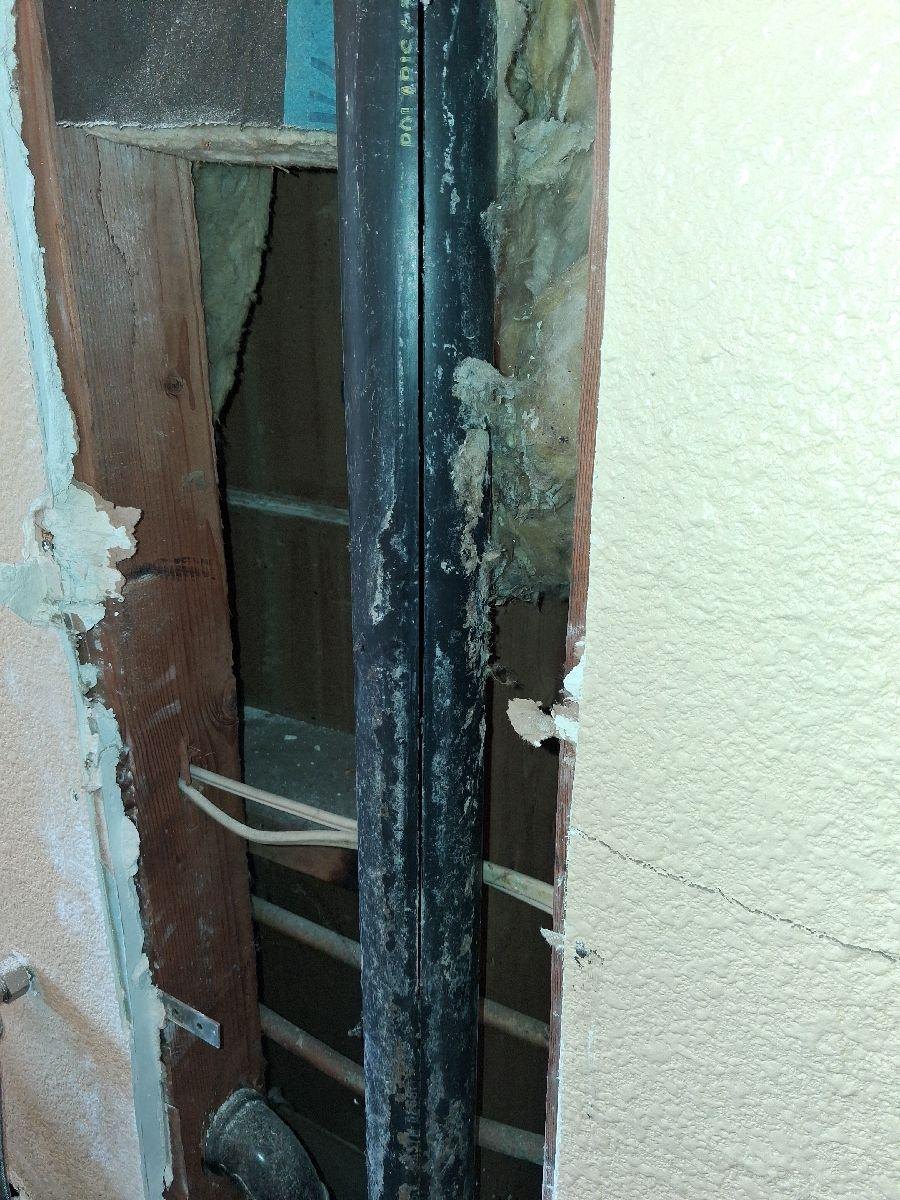
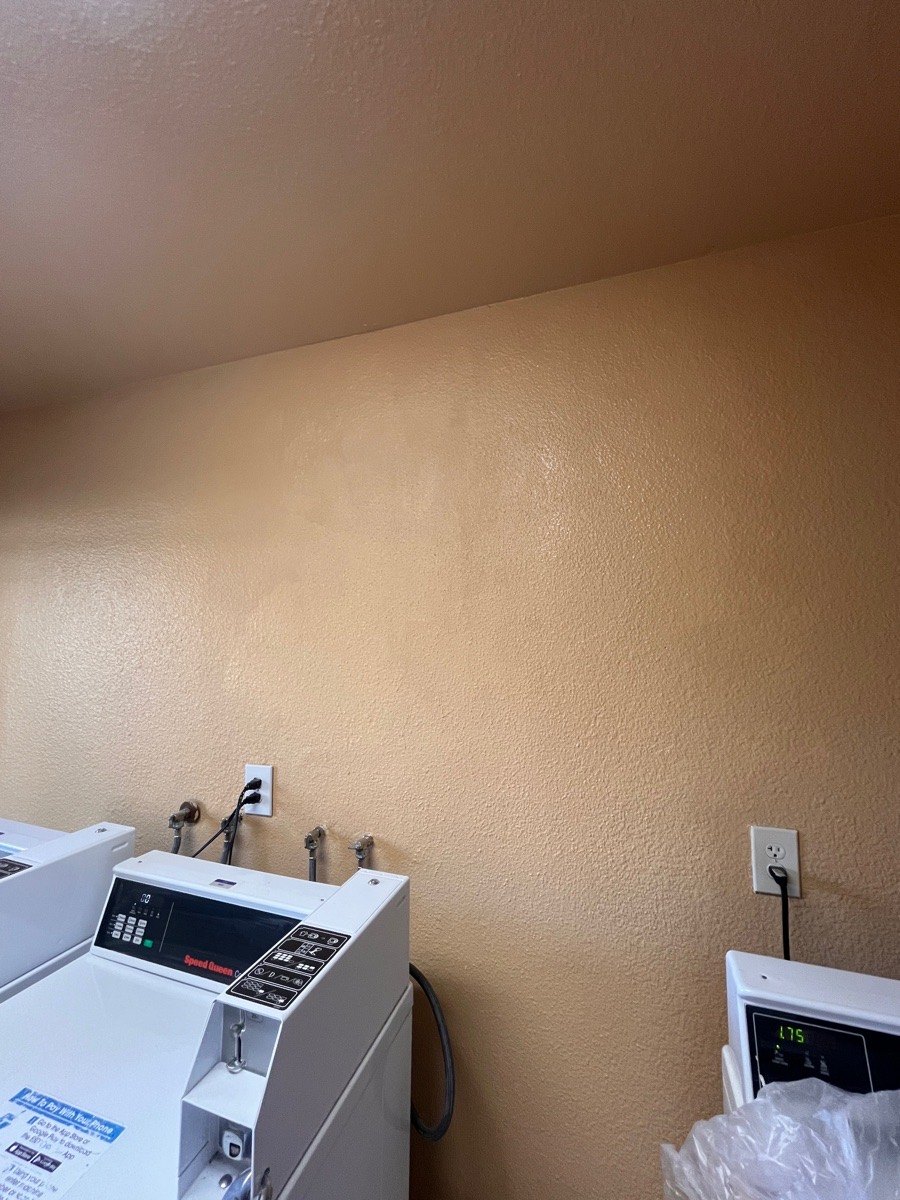
Four documented stages connect cracked piping, the repair stage, texture and painted-wall restoration without implying drain clearing.
An authentic AWC repair sequence
The AWC record shows a cracked drain, waste and vent pipe at an open laundry-room wall, a later piping stage, texture work and a painted wall.
This is a pipe-repair and restoration example. It does not document clearing a clog. The public sequence does not supply the test method, inspection result or final customer acceptance.
How AWC approaches the work
List affected fixtures, recurrence, chemical use and the existing access.
Define the service question and what available records or inspection can establish.
Agree on a repair boundary, access, restoration and the process for hidden findings.
Keep the pipe-stage record and the agreed finish closeout connected.
Straight answers
No. Recurrence supports asking a clearer condition question. Replacement should have evidence for the proposed section and boundaries.
Inspection and clearing are different services. Access and visibility affect what an inspection can establish. Ask whether cleaning is needed first and what the inspection includes.
No blanket promise is appropriate. The available access, condition, obstructions and visibility determine the useful inspection boundary.
Show any existing visible cap and surrounding access from a safe position. Leave opening a suspected backup to the responsible professional.
No. The case documents cracked DWV pipe repair and wall restoration. The separate slow-drain video is related field footage, not evidence of that case.
The proposed service should identify the method, provider, scope and stopping point. This website does not promise hydro-jetting, root cutting or a particular equipment package.
Continue with AWC
These resources are published by AWC. A related example is not evidence of work at your property.
A clear scope starts with the property
For conditions that need an on-site review, ask about the $250 Site Evaluation + Written Bid Package. The $250 is credited toward the project if approved within 30 days.
Contacting AWC starts a conversation. A repair price and appointment require confirmation.